

Discover the Transformative Power of Touchscreen Learning Resources in Cognitive Rehabilitation
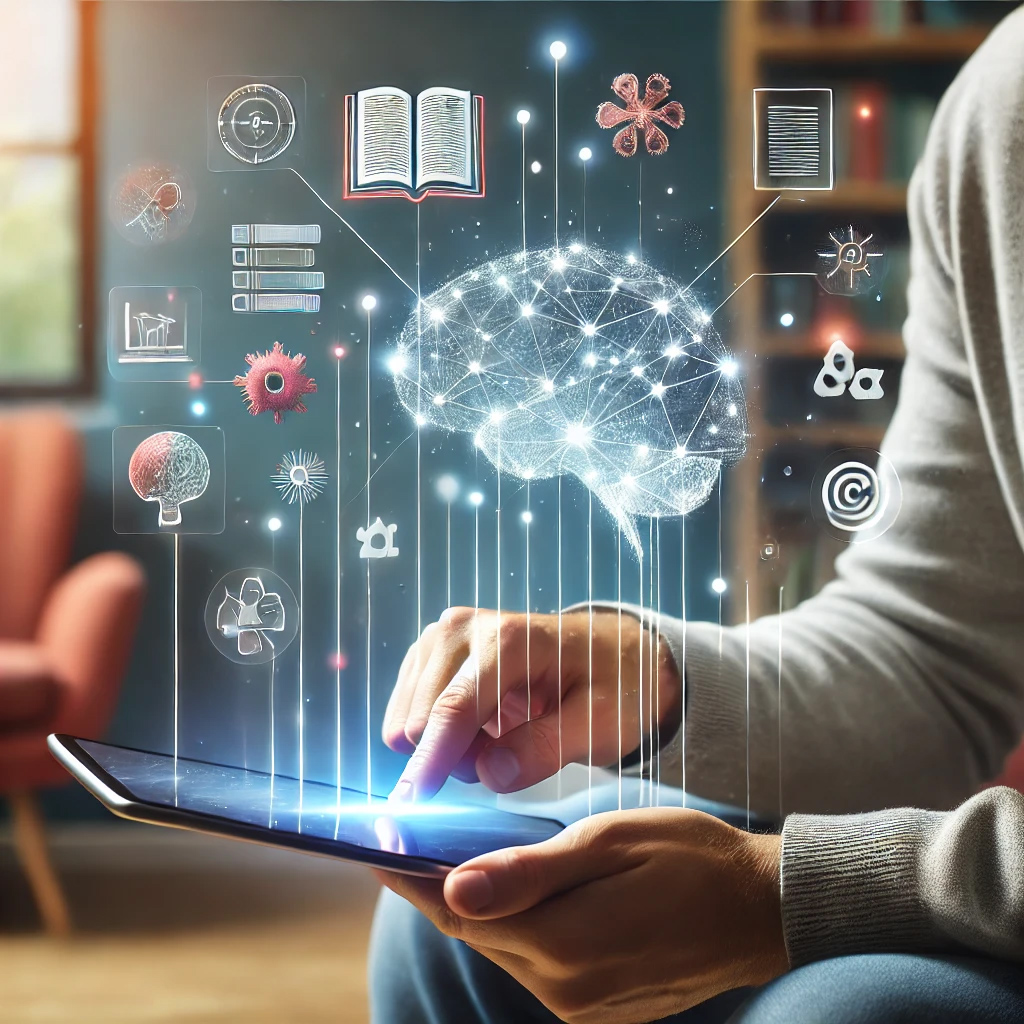
Cognitive rehabilitation plays a crucial role in improving memory, attention, problem-solving, and other mental skills that may be affected by various conditions, including brain injuries, neurological disorders, and age-related cognitive decline. As technology advances, touchscreen learning resources are emerging as powerful tools in helping individuals regain these vital cognitive functions through interactive, personalized, and engaging activities.
These innovative tools are revolutionizing the landscape of cognitive rehabilitation, offering healthcare professionals new ways to tailor treatment plans, track progress, and engage patients in therapeutic activities. By immersing individuals in enjoyable, therapeutic exercises, touchscreen technology opens new pathways to better cognitive outcomes and overall mental health.
The Role of Touchscreen Learning in Cognitive Improvement
Touchscreen learning resources provide an accessible and interactive way for individuals to engage in cognitive training. These tools are designed to address various aspects of cognitive function, such as memory, attention, processing speed, and problem-solving, through engaging and interactive exercises. Whether it’s through games, puzzles, or simulations, touchscreen technology offers a dynamic approach to cognitive rehabilitation, making it easier for patients to stay motivated and committed to their therapy.
The adaptability of touchscreen technology allows it to cater to a wide range of cognitive challenges. Whether someone is recovering from a brain injury or managing age-related cognitive decline, these resources offer a personalized experience that meets individuals where they are in their cognitive journey.
Enhancing Cognitive Functions Through Interactivity
The interactive nature of touchscreen technology makes it an ideal tool for cognitive rehabilitation. Traditional cognitive exercises, while effective, can sometimes feel monotonous or overwhelming for individuals. In contrast, touchscreen resources offer a more immersive and engaging experience, keeping individuals motivated and focused on their improvement.
- Memory Training: Touchscreen tools often incorporate memory-enhancing exercises such as pattern recognition, matching games, and recall activities. These exercises are designed to challenge the brain in a fun and interactive way, helping individuals strengthen their short-term and long-term memory.
- Attention and Focus: Many touchscreen-based games and tasks are specifically designed to improve attention and focus. These activities can help individuals practice sustaining their attention over longer periods or switching focus between tasks, improving overall mental flexibility and concentration.
- Problem-Solving and Critical Thinking: Cognitive rehabilitation often involves improving problem-solving and critical thinking skills. Touchscreen learning resources provide a range of activities, such as logic puzzles and strategic games, that challenge the brain to think critically and solve problems, boosting overall cognitive resilience.
Personalization and Progress Tracking
One of the most significant benefits of touchscreen learning resources is the ability to customize treatment plans based on individual needs. Healthcare professionals can adjust the level of difficulty, the type of cognitive challenges, and the duration of activities to align with a person’s unique cognitive profile. This personalized approach ensures that individuals are continually challenged while still feeling supported in their progress.
Furthermore, touchscreen technology allows for detailed tracking of patient progress. By gathering data from each session, healthcare professionals can monitor improvements, identify areas that need more focus, and adapt the treatment plan accordingly. This level of precision can help optimize cognitive rehabilitation and lead to faster, more effective outcomes.
Making Rehabilitation Enjoyable and Motivating
One of the key elements in any rehabilitation process is sustained engagement. Touchscreen learning resources, with their interactive and game-like qualities, make cognitive rehabilitation more enjoyable and less of a chore. This increase in engagement can significantly enhance the effectiveness of cognitive exercises, as individuals are more likely to remain committed to their rehabilitation program.
By making the process fun and rewarding, touchscreen resources also reduce the emotional barriers that can sometimes arise during cognitive rehabilitation. Frustration, boredom, and lack of motivation can often hinder progress, but interactive learning tools help create a positive and encouraging environment for patients to thrive.
A Holistic Approach to Cognitive Rehabilitation
Incorporating touchscreen learning resources into cognitive rehabilitation offers a more holistic approach to mental health and cognitive recovery. By combining interactive games, personalized treatment plans, and progress tracking, these tools provide a comprehensive solution that addresses both the cognitive and emotional aspects of rehabilitation. Individuals not only improve their cognitive function but also gain a sense of accomplishment and empowerment in their recovery journey.
As technology continues to evolve, touchscreen learning resources will become an increasingly essential component of cognitive rehabilitation. From virtual reality simulations to brain training games, these tools offer a future where personalized, engaging, and effective cognitive rehabilitation is accessible to more individuals, helping them lead healthier and more fulfilling lives.
 Touchscreen Learning | Software & apps for tablets, iPad & classroom displays