
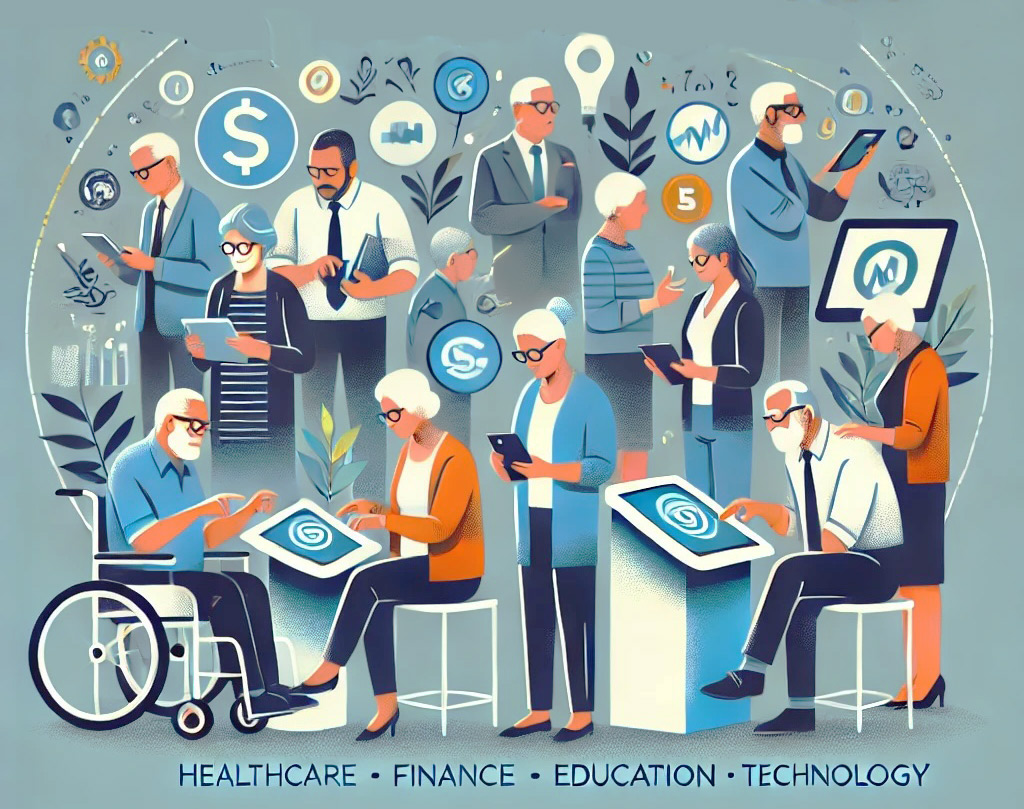
The Upcoming Silver Economy:
The “Silver Economy” refers to the growing economic sector driven by the aging population, especially those aged 60 and over. As global demographics shift, with many countries experiencing a surge in older adults, the Silver Economy is poised to become a critical part of both economic and social landscapes. With increased longevity and an emphasis on quality of life, this sector is projected to grow significantly, impacting healthcare, housing, finance, technology, and education.
One key area where the Silver Economy holds immense potential is in the integration of technology, particularly in touchscreen learning and interactive software designed for older adults. By leveraging technology, we can empower the aging population to stay engaged, mentally active, and connected, ultimately improving their quality of life. Below, we explore the Silver Economy’s growth and how touchscreen learning can play a crucial role.
The Growth of the Silver Economy
According to the United Nations, the global population aged 60 years and older is expected to double by 2050, reaching over 2 billion people. This unprecedented demographic shift is spurring changes in industries worldwide. Healthcare, financial services, and real estate are all adapting to meet the needs of an older demographic. However, technology, particularly in the realm of learning and engagement, is often overlooked.
The Silver Economy isn’t just about catering to the needs of older adults; it’s about tapping into their spending power and desire for continued learning, independence, and meaningful connections. Many older adults are embracing the digital age, using technology to manage their health, connect with family, and even pursue education.
The Role of Touchscreen Learning in the Silver Economy
Touchscreen technology is uniquely positioned to meet the demands of older adults, many of whom face challenges with traditional interfaces like keyboards and mice. With the rise of interactive software that focuses on accessibility and ease of use, touchscreen learning tools can make a significant impact in areas such as lifelong learning, cognitive engagement, social connectivity, and healthcare management.
1. Lifelong Learning and Skills Development
Older adults are increasingly seeking opportunities to learn new skills, stay mentally active, and remain engaged with their communities. Touchscreen-based learning platforms offer a user-friendly, intuitive interface that can help older users navigate educational content without the steep learning curve associated with more complex technology.
Interactive software designed for adult learners can provide courses on subjects ranging from art and history to technology and language. Offering features such as large text, simple navigation, and customizable settings, these tools make learning accessible for individuals who may struggle with vision or mobility issues. This kind of education isn’t just for enrichment; it can also serve practical purposes, such as teaching older adults how to use digital tools to manage finances or communicate with loved ones.
2. Cognitive Stimulation and Brain Health
Studies show that maintaining cognitive engagement is critical for older adults to prevent or delay the onset of cognitive decline and diseases such as Alzheimer’s. Touchscreen devices, combined with interactive software designed for mental stimulation, can offer brain-training exercises, puzzles, and memory games tailored to the needs of older users. These activities are not only enjoyable but can also improve cognitive functions like memory, attention, and problem-solving skills.
Gamified learning, where educational content is delivered through engaging, game-like interfaces, can make cognitive exercises more appealing. By offering positive feedback and rewards, these programs can motivate older adults to regularly engage with the software, maintaining their cognitive health in a fun, interactive way.
3. Social Connectivity and Mental Well-Being
Social isolation is a major concern for the aging population, with many older adults living alone or far from their families. Touchscreen-based interactive software can be used to foster social connections by providing easy access to communication tools such as video calls, social media, and online communities. These platforms can help older adults stay in touch with loved ones and even form new friendships with others who share similar interests.
Touchscreen devices are also highly compatible with telemedicine platforms, allowing older adults to stay in touch with healthcare professionals, participate in virtual health consultations, and monitor their health conditions from the comfort of their homes. This level of interaction can significantly improve their overall well-being and reduce feelings of isolation or loneliness.
4. Healthcare Management and Accessibility
Healthcare is a central component of the Silver Economy, and touchscreen technology can help older adults better manage their health. Interactive software can provide older users with easy access to medication reminders, health records, fitness trackers, and even telehealth services.
Many older adults face challenges in managing their medical appointments, prescriptions, and daily health routines. With touchscreen interfaces, they can access user-friendly healthcare apps that guide them through these processes, providing notifications, reminders, and easy-to-understand instructions. By simplifying healthcare management, touchscreen devices can help older adults maintain their independence longer while staying healthy.
Future Prospects and Conclusion
As the Silver Economy continues to expand, the role of technology in serving the needs of the older population will become increasingly vital. Touchscreen learning and interactive software offer promising solutions to challenges related to education, social connectivity, cognitive health, and healthcare management for older adults. These tools, designed with accessibility and ease of use in mind, can empower seniors to stay engaged, maintain their cognitive abilities, and enjoy a better quality of life.
Investing in user-friendly technologies will be key to ensuring that the benefits of the Silver Economy are fully realized. By recognizing the needs of this demographic and providing accessible solutions, businesses, educators, and tech developers can make a positive difference in the lives of older adults while contributing to the growth of this emerging economic sector.
 Touchscreen Learning | Software & apps for tablets, iPad & classroom displays