
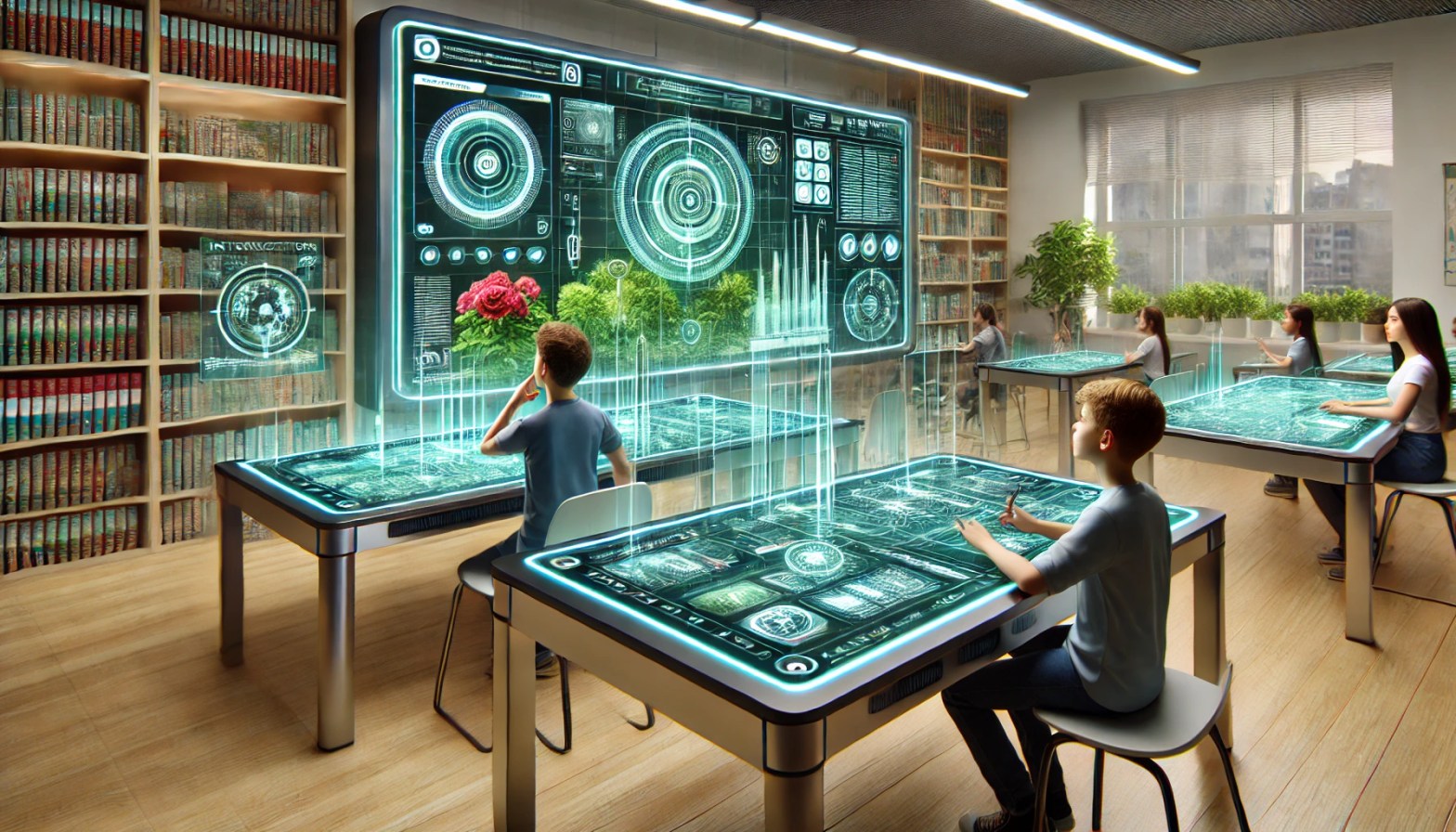
The next decade will see significant advancements in education hardware, driven by developments in touchscreen technology, AR/VR, AI, IoT, and wearables. These innovations will transform the classroom experience, making learning more interactive, personalized, and accessible. By embracing these technologies, educators can create engaging and effective educational environments that prepare students for the future.
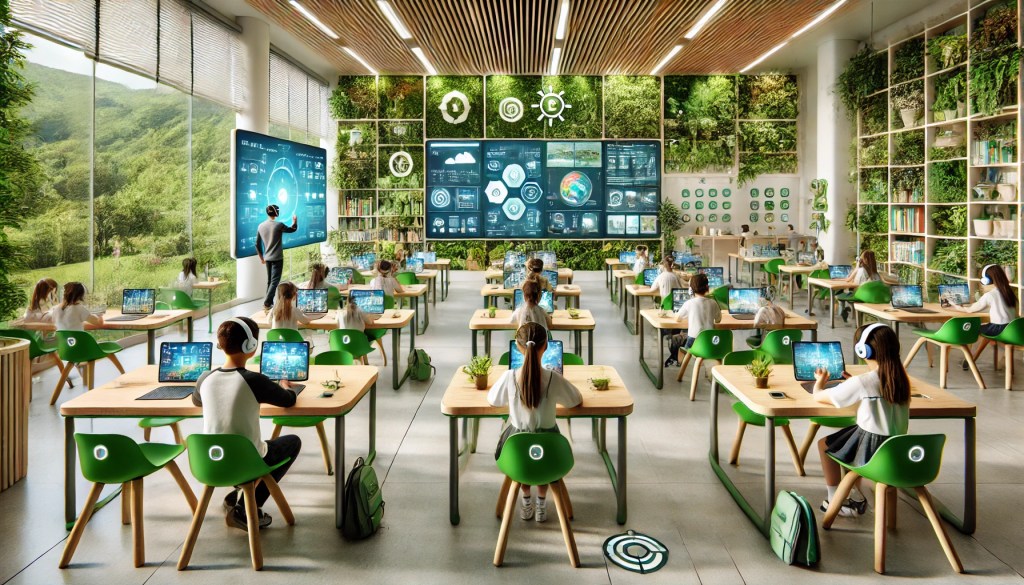
Enhanced Touchscreen Technology
Future touchscreens will feature faster response times, enabling smoother and more natural interactions. Enhanced pressure sensitivity will support more nuanced gestures and inputs, akin to drawing tablets.

Augmented Reality (AR) and Virtual Reality (VR)
AR and VR will create immersive, interactive learning environments, enabling virtual field trips and lab simulations. Students can interact with 3D models of molecules, historical artifacts, and more, enhancing understanding through experience.
Interactive Whiteboards and Smart BoardsSeam
Future interactive whiteboards will seamlessly integrate with students’ devices, allowing for real-time collaboration and content sharing.
Cloud-Based Solutions
Cloud integration will enable easy access to lessons and resources from anywhere, supporting remote learning.
Advanced software will offer a variety of tools for teachers to create dynamic lessons, including interactive quizzes, multimedia presentations, and real-time feedback.
AI-Powered Educational Tools
AI tutors will provide personalized support, helping students with difficult concepts and offering tailored practice exercises.
Real-Time Feedback
AI can instantly analyze student performance and provide feedback, enabling timely interventions.
ioT (Internet of Things) enabled devices refer to physical objects embedded with sensors, software, and other technologies to connect and exchange data with other devices and systems over the internet. In the context of education, IoT-enabled devices can significantly enhance the learning environment by providing seamless connectivity, real-time data, and automated management.
IoT will connect various classroom devices (e.g., tablets, smartboards, VR headsets) into a unified ecosystem, enabling seamless interaction and data sharing. IoT can automate classroom management tasks, such as attendance tracking, environmental control, and resource allocation.
Remote Learning
IoT-enabled devices will support remote learning, ensuring that all students have access to educational resources regardless of location.
Wearable Technology / Health and Engagement Monitoring
Wearable devices can monitor students’ health metrics, providing insights into their well-being and alerting teachers to potential issues.
Engagement Tracking
Wearables can track student engagement and focus levels, helping educators tailor their teaching strategies to maintain attention.
 Touchscreen Learning | Software & apps for tablets, iPad & classroom displays