

Visual-motor integration (VMI) is a critical skill that involves the coordination of visual perception and motor control. It refers to the ability to process visual information and then accurately execute a motor response, such as writing, drawing, or manipulating objects. Strong VMI skills are essential for activities like handwriting, reading, and navigating through space.
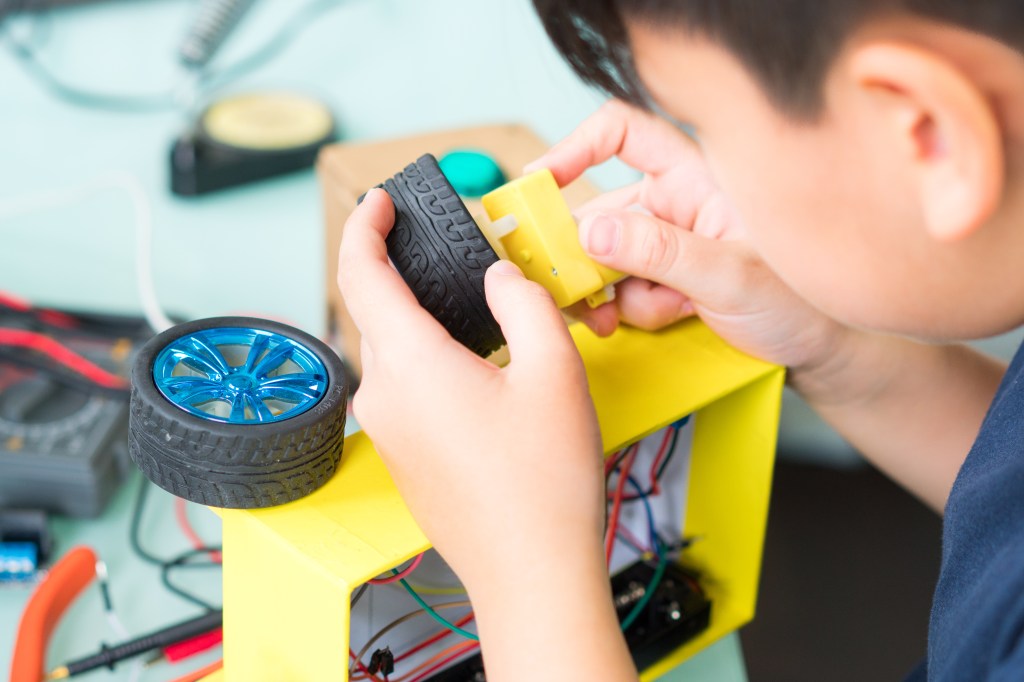
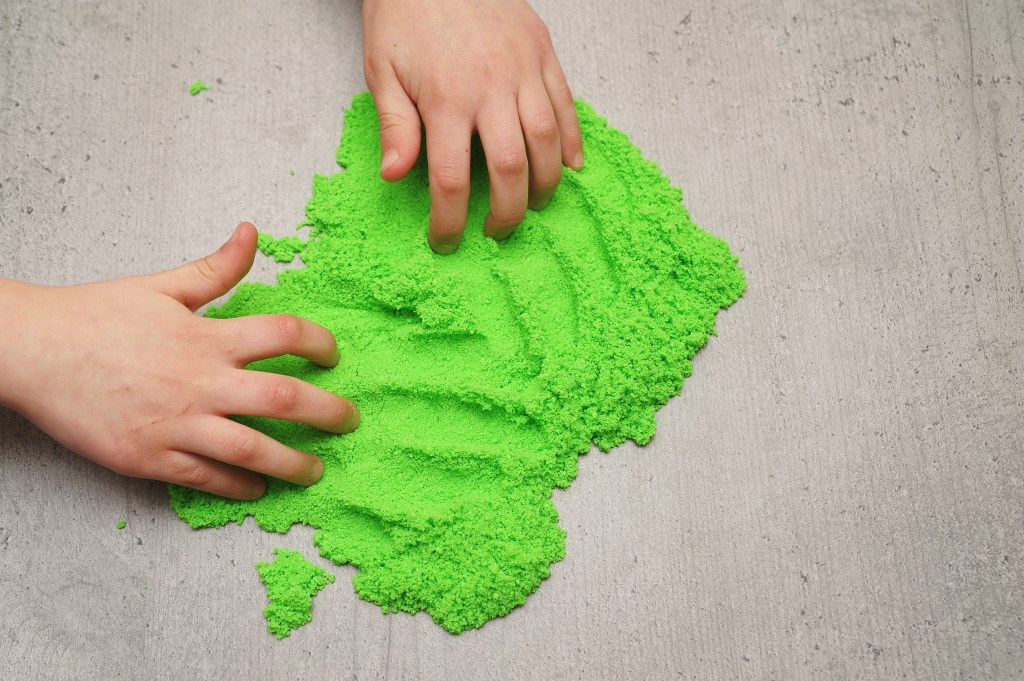
When individuals have difficulties with visual-motor integration, they may struggle with tasks that require precise hand-eye coordination. This can manifest as poor handwriting, difficulty with drawing or copying shapes accurately, and challenges with activities that require spatial awareness.
Touchscreen apps can be beneficial in addressing issues related to visual-motor integration in several ways:
- Immediate Feedback: Many touchscreen apps provide immediate visual and auditory feedback, allowing users to see the results of their actions in real-time. This feedback loop can help individuals refine their motor responses and improve their coordination.
- Interactive Activities: Touchscreen apps often offer interactive activities that require users to manipulate objects on the screen using precise gestures. These activities can help individuals develop fine motor skills and improve hand-eye coordination in a dynamic and engaging way.
- Customization and Adaptability: Touchscreen apps can be customized to meet the specific needs and abilities of individual users. Developers can incorporate features such as adjustable difficulty levels, adaptive feedback mechanisms, and personalized learning paths to ensure that users receive appropriate challenges and support.
- Multi-Sensory Engagement: Many touchscreen apps utilize a combination of visual, auditory, and tactile stimuli to engage users. This multi-sensory approach can enhance learning and retention, especially for individuals who may have difficulty processing information through a single modality.
- Accessibility Features: Touchscreen devices often include accessibility features such as voice commands, magnification tools, and gesture shortcuts, which can make it easier for individuals with visual-motor integration difficulties to navigate and interact with digital content.

Overall, touchscreen apps have the potential to support the development of visual-motor integration skills by providing interactive, customizable, and multi-sensory learning experiences. However, it’s important to note that while touchscreen technology can be a valuable tool, it should be used as part of a comprehensive approach to address the underlying issues contributing to visual-motor integration difficulties. This may include interventions such as occupational therapy, vision therapy, and educational accommodations tailored to the individual’s needs.
 Touchscreen Learning | Software & apps for tablets, iPad & classroom displays