

Technology has revolutionized the way we interact with computers, smartphones and other digital devices. The future of touchscreen display interaction holds exciting possibilities as technology continues to advance.
It’s essential to note that the future of touchscreen interaction will be influenced by a combination of technological advancements, user preferences, and industry developments.
As these technologies evolve, designers and developers will need to strike a balance between innovation, usability, and practicality to create compelling and user-friendly touchscreen experiences.
Here are 10 potential developments and trends that could shape touchscreen interactions in the coming years:
- Foldable and Flexible Displays: As foldable and flexible displays become more prevalent, users will have access to larger screen real estate that can be transformed into different form factors. This could enable multi-tasking, enhanced gaming experiences, and more immersive content consumption.
- Haptic Feedback Advancements: Haptic feedback technology is likely to become more sophisticated, allowing for more nuanced and realistic tactile sensations. This could lead to a more immersive and engaging user experience, especially in gaming, virtual reality, and augmented reality applications.
- Gestural Control: With advancements in sensors and machine learning algorithms, touchscreens could support more complex and precise gestural controls. Users might perform gestures in the air above the screen without physically touching it, allowing for a touchless interaction experience.
- Sensory Interactions: Future touchscreens may incorporate additional sensory inputs, such as temperature and pressure sensors, to detect different levels of force and provide more context-aware interactions.
- Self-Cleaning and Anti-Microbial Surfaces: In response to hygiene concerns, touchscreen displays could be equipped with self-cleaning or anti-microbial coatings, ensuring a more sanitary user experience, especially in public and shared environments.
- Transparent Displays and AR Integration: Transparent displays could enable augmented reality (AR) applications, allowing users to interact with virtual objects overlaid onto the physical world directly through the touchscreen.
- Improved Durability and Reliability: Advancements in materials and manufacturing techniques may lead to more durable and reliable touchscreen displays, reducing the likelihood of damage from drops, scratches, and other hazards.
- AI-Enhanced User Interfaces: Artificial intelligence (AI) could play a significant role in understanding user behavior and preferences, enabling personalized and context-aware user interfaces that adapt to individual needs.
- Biometric Integrations: Touchscreens may integrate advanced biometric technologies, such as facial recognition or advanced fingerprint scanning, to enhance security and provide seamless authentication.
- Tactile Texture Simulation: Researchers are exploring ways to simulate textures on touchscreens, allowing users to feel the sensation of different materials like fabric or rough surfaces while interacting with virtual objects.

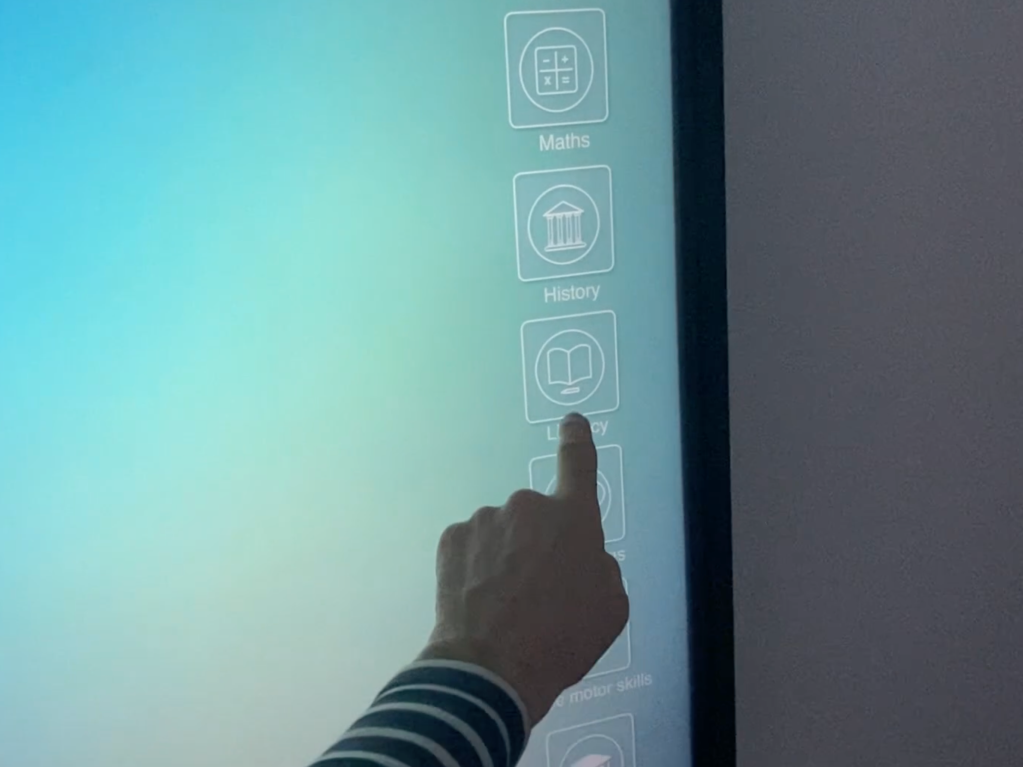
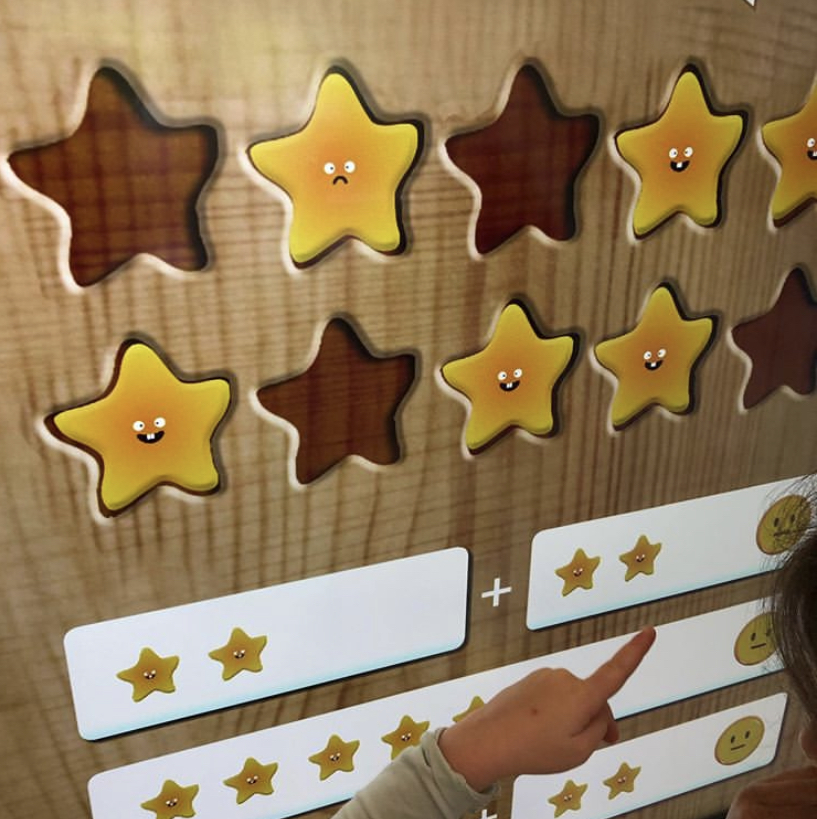
Introducing our groundbreaking Touchscreen Learning Suite! Dive into a world of interactive education with our specially crafted software package. With more than 50 engaging games, meticulously aligned with curricula, students can embark on exciting journeys through Math, Geography, History, Literacy, Social Studies, Languages, and the Arts! Get ready to revolutionize learning experiences!”
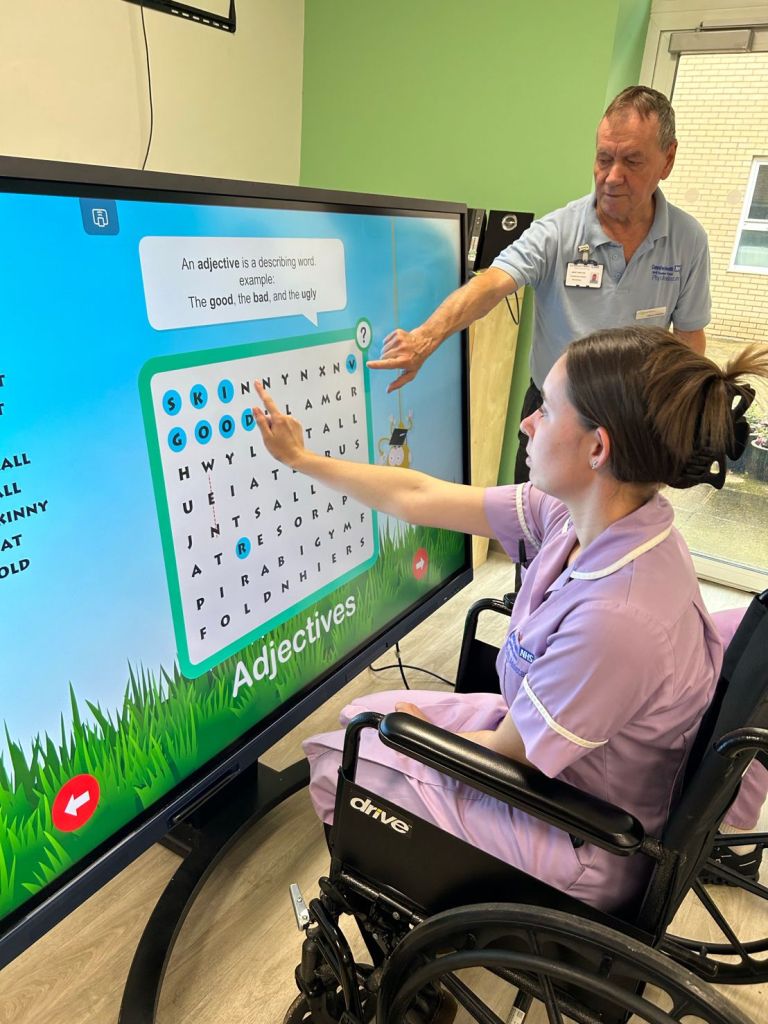
Discover the transformative power of Touchscreen Learning resources in aiding the recovery journey of stroke patients. By immersing them in enjoyable and therapeutic activities tailored for physical and cognitive rehabilitation, these innovative tools open new pathways to improved health outcomes.
By incorporating technology into rehabilitation programs, healthcare professionals can personalize treatment plans and track progress more effectively. This not only accelerates recovery but also empowers patients to take an active role in their healing journey.
From virtual reality simulations to interactive games targeting memory and coordination, Touchscreen Learning resources offer a holistic approach to stroke rehabilitation.

 Touchscreen Learning | Software & apps for tablets, iPad & classroom displays