
Touchscreen technology has the potential to significantly transform the world of education, while touchscreens alone will not solve all educational challenges, their integration into educational settings has the potential to enhance teaching methodologies, improve student engagement and achievement, and foster a more inclusive and interactive learning environment.
Touchscreens provide a natural and intuitive way for students and teachers to interact with educational content. Instead of relying solely on keyboards and mouse inputs, touchscreens allow users to directly manipulate objects, write, draw, and perform gestures, making the learning experience more engaging and immersive.
Touchscreens enable multi-sensory learning experiences by combining visual, auditory, and tactile elements. Students can touch, tap, swipe, and pinch on the screen, fostering a deeper understanding of concepts through hands-on exploration. This approach accommodates various learning styles and enhances information retention.
Touchscreen displays can facilitate collaborative learning environments. Multiple students can simultaneously interact with the same screen, promoting group discussions, teamwork, and knowledge sharing. Additionally, touchscreen technology can support gamification and interactive exercises, increasing student engagement and motivation.
Touchscreens offer accessibility features that cater to diverse learning needs. Learners with physical or cognitive impairments may find touchscreens more accessible than traditional input devices, enabling them to participate actively in educational activities. Furthermore, touchscreens can accommodate alternative input methods, such as stylus pens or adaptive technology, providing inclusivity for all learners.
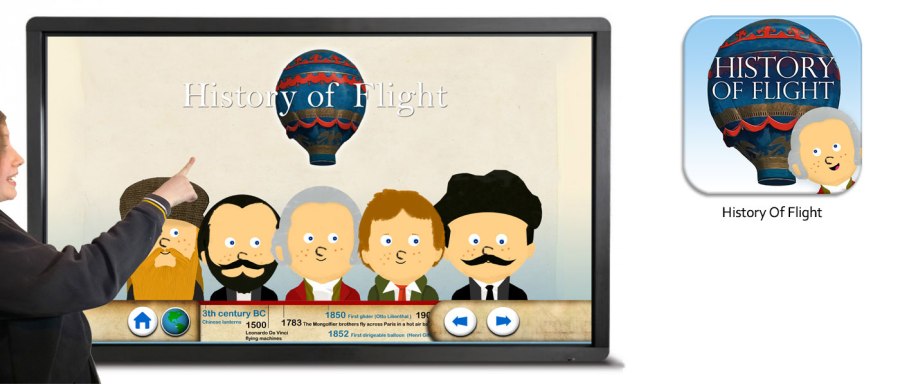
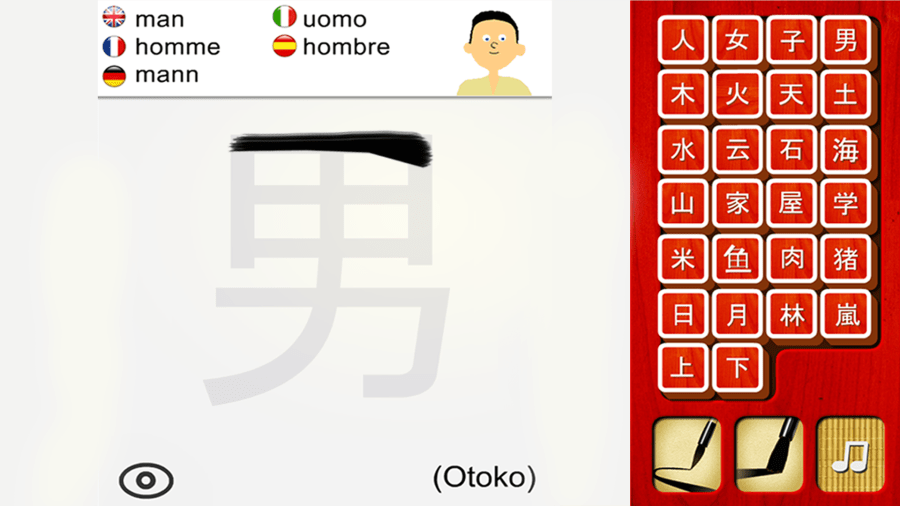
Interactive displays can provide a platform for accessing and manipulating digital content. Interactive textbooks, multimedia presentations, virtual simulations, and educational apps can be seamlessly integrated, allowing educators to customize and personalize the learning experience based on individual student needs and preferences. This flexibility enhances engagement and promotes self-paced learning.
The technology often includes data collection and analytical features. Educators can track student progress, identify areas of improvement, and adjust instructional strategies accordingly. By capturing data on student interactions with the touchscreen, educators gain insights into learning patterns, enabling targeted interventions and personalized feedback.
 Touchscreen Learning | Software & apps for tablets, iPad & classroom displays