
Find out how a gamified approach to developing learning content for touchscreen devices can improve user experience but also benefit students learning outcomes.
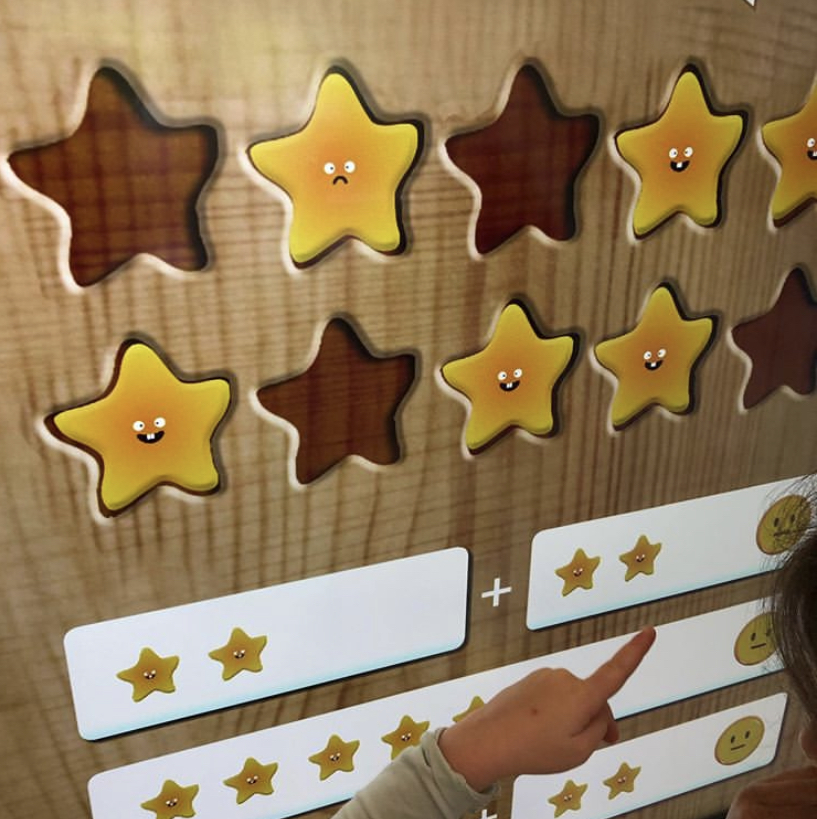
What is gamification?
Gamification is the practice of incorporating game elements and mechanics into non-game contexts to engage and motivate users. When applied to interactive displays, gamification can enhance user experiences and drive participation.
Here are a few ways gamification can be implemented in interactive displays software:
- Points and Rewards: Interactive displays games that can award points or virtual currency to users based on their interactions and achievements. Users can accumulate points to unlock rewards, badges, or levels, creating a sense of achievement and encouraging continued engagement.
- Leaderboards and Competitions: Displaying leaderboards that showcase the top performers or participants can introduce a competitive element. Users can compare their progress, strive to climb the ranks, and engage in friendly competitions, fostering motivation and social interaction.
- Challenges and Quests: Interactive displays games that can present users with challenges or quests that require specific actions or completion of tasks. By offering clear objectives and a sense of progression, users are motivated to explore and interact with the display to accomplish these goals.
- Storytelling and Narratives: Incorporating storytelling elements into Interactive displays games thatcan captivate users and immerse them in a narrative. By presenting a compelling story or plotline, users become more invested in the experience and are encouraged to continue engaging with the display to uncover more of the story.
- Feedback and Progression Tracking: Providing real-time feedback on user actions and progress can be motivating. Interactive displays can offer immediate feedback, such as visual cues, sounds, or animations, to acknowledge user interactions and provide a sense of accomplishment.
- Collaborative Gameplay: Facilitating collaborative gameplay experiences by allowing multiple users to participate simultaneously. By encouraging teamwork and cooperation, users can engage in joint activities or multiplayer games, fostering social interaction and a sense of community.
- Customization and Personalization: Allowing users to personalize aspects of the interactive display experience, such as selecting avatars or customizing interfaces, can enhance engagement. Users feel a sense of ownership and investment in the experience, which can lead to increased interaction and enjoyment.
These gamification techniques can make interactive displays games more engaging, motivating, and enjoyable for users across various contexts, including education, marketing, entertainment, and more.
Find out more about the Touchscreen Learning suite >
 Touchscreen Learning | Software & apps for tablets, iPad & classroom displays