
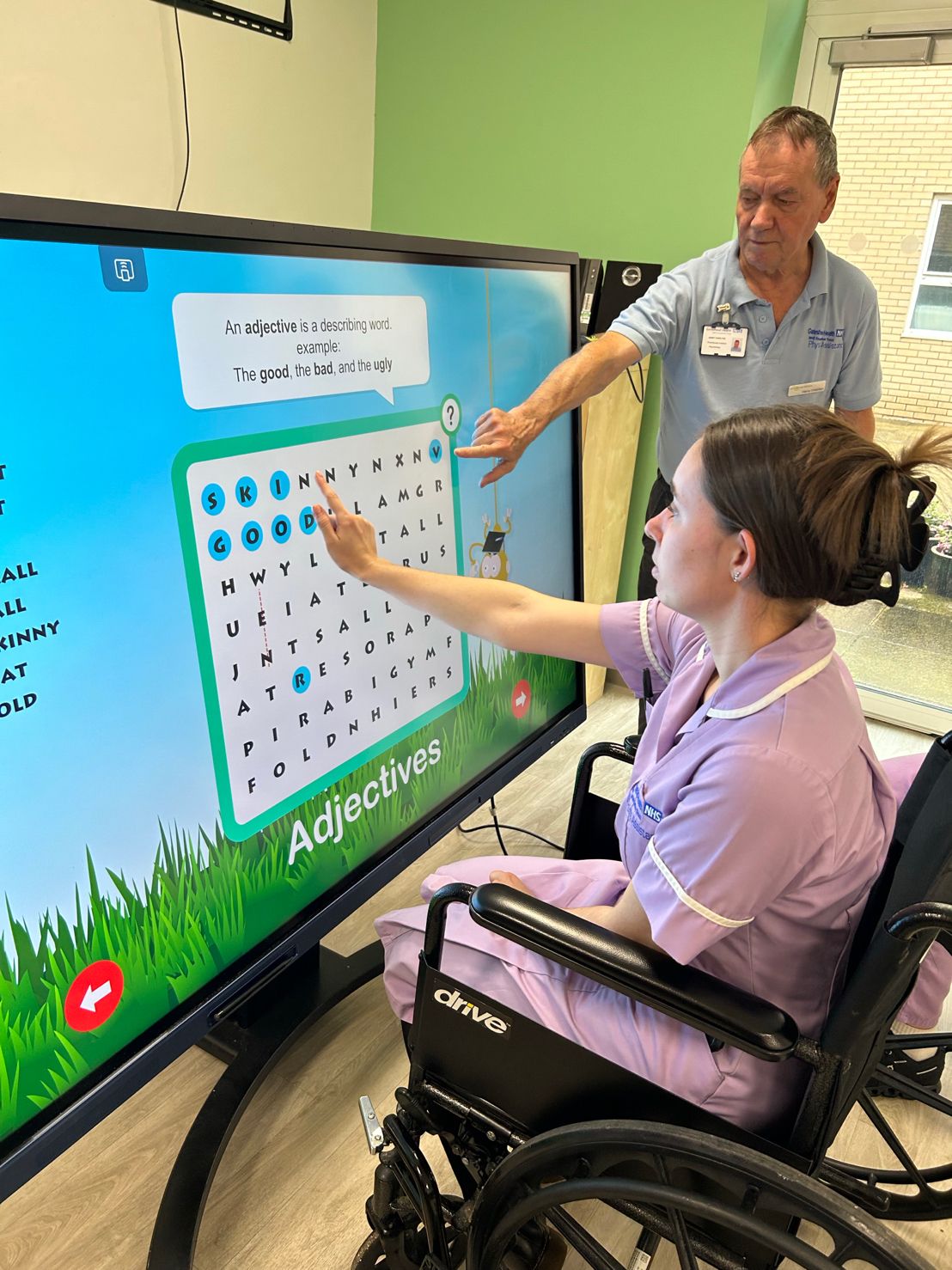
The Future of Interactive Displays and Play Walls: Touchscreen Learning in 2025
In today’s rapidly evolving educational and business environments, technology continues to drive innovation. One such development reshaping how we learn, play, and collaborate is the integration of interactive displays, play walls, and touch tables. By 2025, these tools are becoming indispensable assets in classrooms, corporate settings, and public spaces, enabling enhanced engagement and dynamic learning experiences.What Are Interactive Displays and Play Walls?
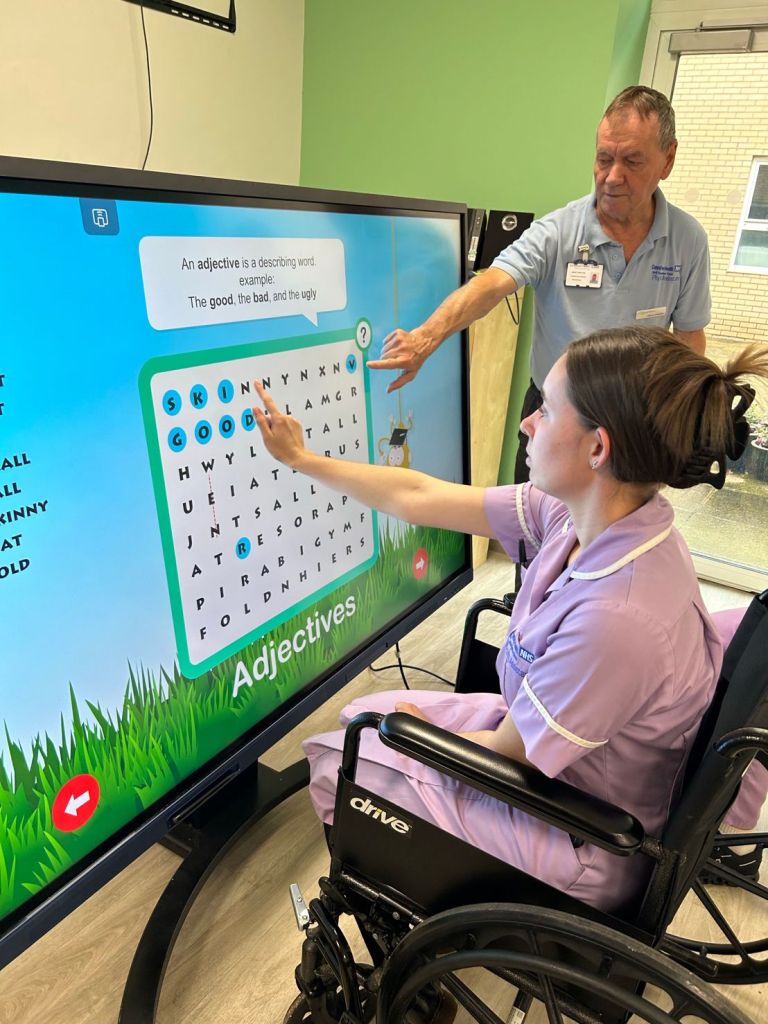
Interactive displays and play walls are large touchscreen interfaces designed to facilitate interaction through touch, gestures, and collaborative activities. Unlike traditional whiteboards or static displays, these advanced technologies respond to multiple users simultaneously, making them ideal for:
- Education: Engaging students with interactive lessons, simulations, and quizzes.
- Business: Supporting presentations, brainstorming sessions, and workshops.
- Entertainment: Providing interactive games and activities in museums, libraries, and event spaces.
Touch tables, often used in similar settings, offer horizontal touchscreens designed for . Together, these technologies form the backbone of modern interactive environments.
The Rise of Touchscreen Learning
Touchscreen learning refers to educational experiences enhanced by touchscreen technology. This approach allows for:
- Interactive Content: Students can manipulate virtual objects, explore 3D models, and engage with interactive exercises.
- Personalised Learning: Adaptive software tailors content to each learner’s needs and pace.
- Collaboration: Multiple users can interact with the screen simultaneously, promoting teamwork and shared problem-solving.
By 2025, touchscreen learning has expanded beyond traditional classrooms. Corporate training programs, vocational courses, and even healthcare institutions are adopting these solutions to enhance learning outcomes.

Benefits of Interactive Displays and Touch Tables
Interactive technologies offer numerous benefits that contribute to their growing popularity:
1. Increased Engagement
Interactive displays capture and hold users’ attention through dynamic visuals, touch-based interaction, and multimedia integration. This leads to improved retention and understanding of complex concepts.
2. Improved Collaboration
With features like multi-touch functionality, interactive displays enable multiple users to interact with the content at the same time. This fosters collaboration, whether in a group project or a team meeting.
3. Versatility and Adaptability
These technologies can accommodate various learning styles, from visual and auditory learners to those who benefit from hands-on interaction. Educators and facilitators can easily switch between different content types, such as videos, diagrams, and live annotations.
4. Accessibility
Many interactive systems now include features designed for accessibility, such as screen readers, adjustable font sizes, and gesture-based controls. This ensures that users of all abilities can benefit from the technology.


Key Features of Modern Interactive Solutions
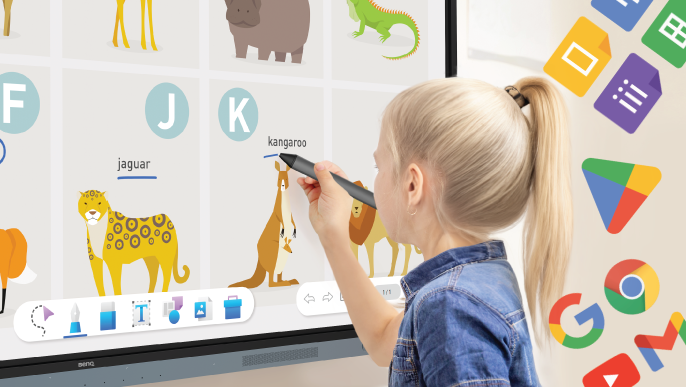
By 2025, interactive displays and play walls offer advanced capabilities such as:
- High-Resolution Displays: Crystal-clear visuals enhance image quality for both educational and creative content.
- Cloud Integration: Seamless access to cloud-based resources allows for real-time collaboration and content sharing.
- AI-Powered Learning Analytics: Interactive software can now track progress, provide feedback, and offer data-driven insights to educators and managers.
- Integration with Learning Management Systems (LMS): These solutions connect with LMS platforms to streamline lesson planning, assessments, and performance tracking.
Touchscreen Learning Solution for Sale and Licensing
For organisations seeking to implement interactive technology, the Touchscreen Learning Solution offers a comprehensive package tailored to educational needs. This solution includes:
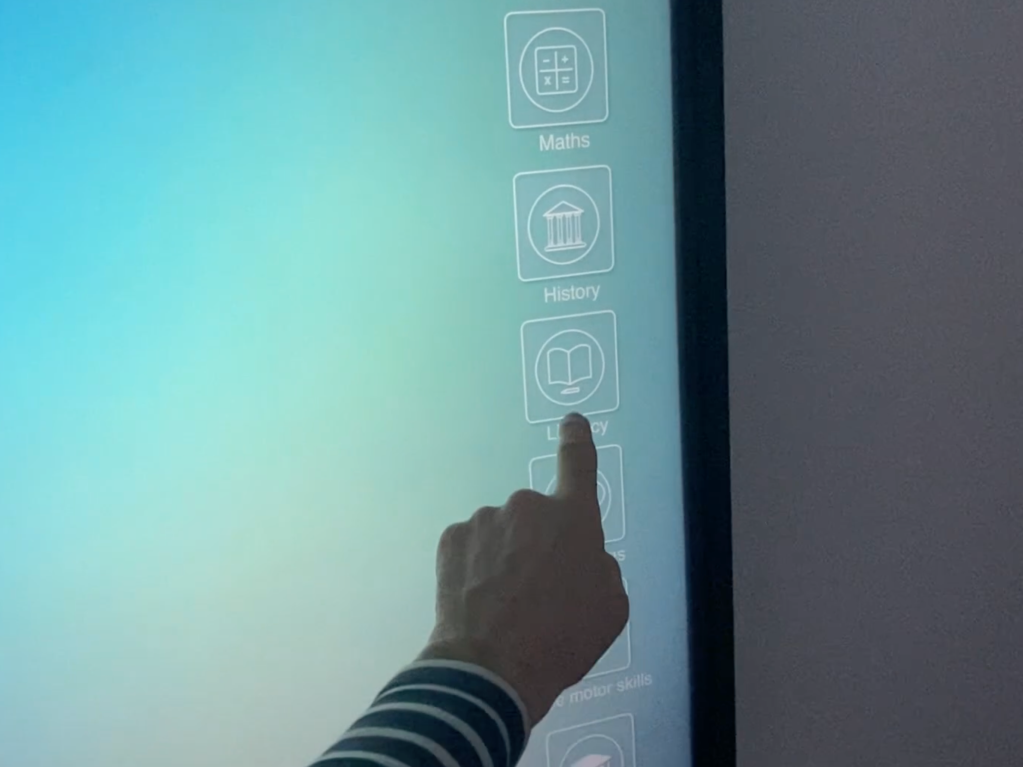
- Hundreds of Interactive Learning Apps: Covering subjects from maths and science to art and music.
- Customisable Content: Adaptable for different age groups, curricula, and languages.
- Ad-Free, Secure Environment: Designed to meet safety and privacy standards in educational institutions.
The solution is available for both direct purchase and licensing, making it accessible to schools, training centres, and businesses worldwide.
Use Cases Across Industries
Education
Schools have integrated interactive displays to replace outdated projectors and blackboards. Teachers use these tools to present engaging multimedia lessons, host virtual field trips, and facilitate group activities.
Healthcare
Interactive displays assist in medical training and patient education. For example, 3D anatomical models allow trainees to explore human physiology in unprecedented detail.
Public Spaces
Museums, libraries, and exhibitions use play walls to create immersive experiences for visitors. Interactive exhibits encourage exploration and learning through games, simulations, and multimedia storytelling.
Challenges and Considerations
While interactive displays offer many advantages, there are challenges to consider, including:
- Initial Investment: High-quality interactive systems can be expensive to purchase and install.
- Training and Adoption: Staff and educators may require training to use the technology effectively.
- Maintenance: Regular updates and hardware maintenance are necessary to ensure optimal performance.
Future Trends
The future of interactive displays is marked by continuous innovation. Emerging trends include:
- Augmented Reality (AR) Integration: AR-enabled displays overlay digital content onto the real world, enhancing interactive learning experiences.
- Voice-Activated Interfaces: Users will be able to control displays through natural language commands.
- Sustainability Improvements: Manufacturers are adopting eco-friendly materials and energy-efficient designs.
 Touchscreen Learning | Software & apps for tablets, iPad & classroom displays